May 25, 2026
I asked ChatGPT to read my blog the other day just to see what it would say and it did this .2 second scan of years of writing and started doing some pattern recognition. It was complimentary and hyped me up like it always does whenever you ask anything personal. I saw a video the other day of someone asking ChatGPT if it was okay that he cheated on his spouse, and the algorithm was wayyyy too empathetic and kind of “YAS QUEEN”-d him. Anyway, ChatGPT “read” the blog and immediately understood the tone and the overall theme of my writing just from looking for patterns in my style – the words I use, the punctuation I use (or tend to misuse), the frequent detours and interruptions I insert that give my writing this look and feel of being unscripted and spontaneous. GPT specifically used the word “absurdity”, and I was like “oh, so you did read it. Cool, thanks.”
I think something thing that naturally comes with the end of a romantic relationship in addition to all the crying and nose blowing and hiccuping and depression naps is an internal scan of all previous relationships. Kind of like GPT scanned all my writing to try to find the patterns and narrow in on the absurdity of this little corner of the internet, I keep finding myself scanning all of the failed relationships I have had so far to ask myself “what am I doing wrong?” Because I’m no fool. I know if anyone on the outside looking in (read: followers on social media) bothered to pay attention to me and my antics, they might observe correctly that I am the common denominator in all of these failures and may assume I am the problem. And look, I think that’s totally fair and if you’re “watching” at home and that’s what you’re thinking…I get it. You may be right. But also, maybe not?
I don’t think I’ve ever been the type of person who can’t admit when I’m wrong. Maybe it’s the fact that I’m wired to assume I’m a piece of shit from the moment my feet hit the floor each morning, so I walk away from almost every social or professional interaction wondering “was I an asshole just then?” And so often, if I catch myself being the asshole, I’m quick to apologize. If I notice myself getting terse with a teammate at work, I will walk over to their desk and say “hey, I’m sorry about that, you caught me in a tense moment.” I can admit when I’m a jerk. I can admit when I got something wrong or remembered a detail incorrectly, and I can admit when I don’t know an answer at work. When I screw up, I tell my boss about it immediately so he can help me think through how to fix my mess. I like these things about me.
And I’m also not above pattern recognition and course correction. I’ve been able to look back on previous relationships and recognize my toxicity for what it was. I think one relationship in particular ended with me acting like a total crazy person. My groveling and falling apart like a little street taco was definitely manipulative and wasn’t fair to my ex who was really only trying to exit a relationship that wasn’t doing it for him. I wasn’t intentionally being cruel, but I was blinded by my own pain so much that I made his life hell at the end. But, to my credit, I spent time in therapy unpacking that and can hopefully recognize and understand this nastiness in myself again if it ever rears its ugly head again, and correct in real time. I don’t want to hurt people I love, and I want to learn from my mistakes. But the thing is – this moral compass and high standard I hold myself to really don’t mean anything if some of the toxic things I do in my relationships are things that I’m simply not noticing or don’t even recognize are wrong. It’s easy to correct things that are blatantly wrong – but what about the more toxic behaviors that fly below the radar? Am I doing things that are poisoning my relationships and I’m just not observant enough to see it? Or worse – is it just something about me? Am I just not cut out for this?
That’s the thing that really scares me. I think I have healthy and direct communication at my big age of 36. I give people feedback and I’ve practiced it over and over. I do not scream, I do not get jealous over silly things. I think I am self aware – my boss tells me I am all the time. I think I have healthy boundaries (finally) and have learned how to protect myself from being hurt over and over by recklessness. I have learned how to be honest and expressive. I’ve never cheated or even flirted with that line. I have supportive friends and family (see my last post). All of those grifter self help books would say that this is a really good cocktail of traits in a person that CAN have a healthy and happy and LASTING relationship. But what if there is something under the surface that I can’t see that makes me corrosive? Secretly corrosive. What if I don’t exhibit obvious toxic behavior, but I am still poisonous? Poisonous and meant to be left alone like one of those vibrant plants in the rainforest. Safe in small doses.
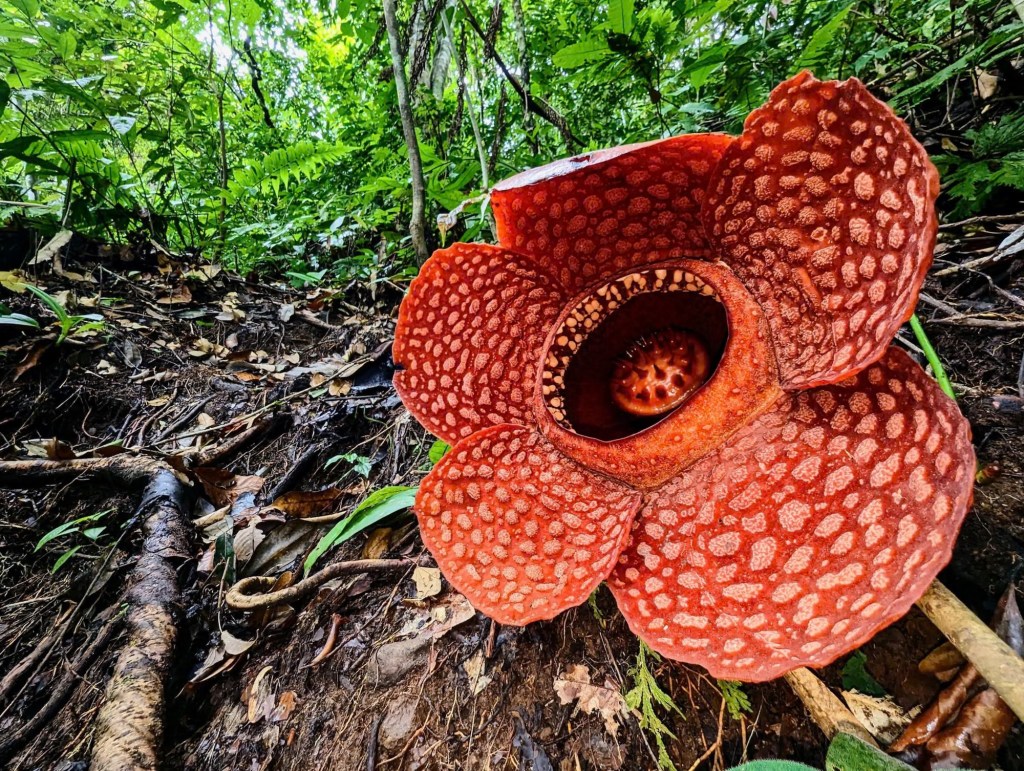
You can hardly scroll on Instagram for 10 seconds without seeing a post about toxicity in relationships. We love to diagnose a villain. One of my favorite YouTube channels is called “Cinema Therapy”, which is where these two therapists watch movies and help you break down behaviors in the movies that are troubling or inspirational. That kind of analysis is fascinating and it feels constructive to use movies that are fictional and safe to look for patterns you can notice in the people around you or in yourself. Those red flags of people being controlling or manipulative or cruel shine brighter if you can see some examples in high definition. But what if there are no visible red flags? What if you feel dangerous to love, but without real red flags to warn innocent passersby to stay away from the cliff?
Maybe grief creates this superstition in your mind that your love is poisonous. Poison without dramatic dysfunction, with no clear warning signs. No screaming matches, no shattered plates, no jealous rages – just this quiet warning in the back of my head that says “people are better off not loving me” or “I will ruin this eventually.” I once had a therapist tell me that “shame often survives self improvement.” She meant that you can grow and change and take ownership of your own life and happiness and still feel “wrong” at the molecular level. I know logically that the reasons that my most recent relationship ended were valid and outside of my own control – they were things I couldn’t avoid or fix and did not cause. They weren’t my fault. There was no villain in the story but I had to choose myself and my own happiness. But the surviving shame says “Look what you’ve done again. Another failure. Another example of how you couldn’t make it work.” Someone took a bite of my poisonous flower and now the re-growth begins.
 Cluelessness is the Mother of Invention